In botany, a tree is a perennial plant with an elongated stem, or trunk, supporting branches and leaves in most species. In some usages, the definition of a tree may be narrower, including only woody plants with secondary growth, plants that are usable as lumber or plants above a specified height. A tree is a tall plant with a trunk and branches made of wood. Trees can live for many years. The oldest tree ever discovered is approximately 5,000 years old and the oldest tree from the UK is about 1,000. The four main parts of a tree are the roots, the trunk, the branches, and the leaves.
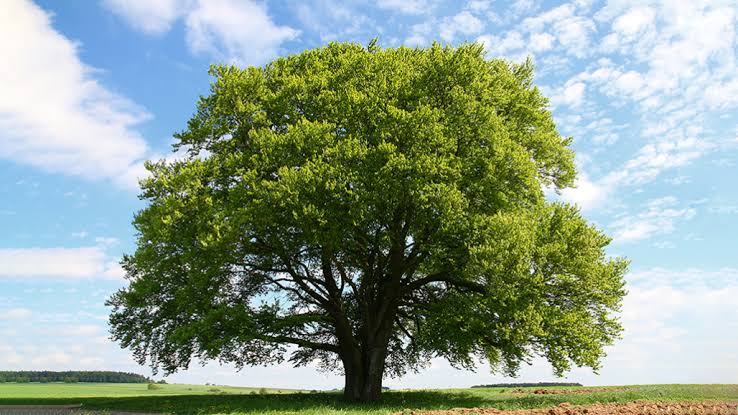
Classification—

A sweet chestnut tree in Ticino, Switzerland
A tree is a plant form that can be found in many different orders and families of plants. Trees show many growth forms, leaf type and shape, bark traits and organs.
The tree form has changed separately in classes of plants that are not related, in response to similar problems (for the tree). With about 100,000 types of trees, the number of tree types in the whole world might be one fourth of all living plant types.Most tree species grow in tropical parts of the world and many of these areas have not been surveyed yet by botanists (they study plants), making species difference and ranges not well understood.
A small group of trees growing together is called a grove or copse, and a landscape covered by a dense growth of trees is called a forest. Several biotopes are defined largely by the trees that inhabit them; examples are rainforest and taiga (see ecozones). A landscape of trees scattered or spaced across grassland (usually grazed or burned over periodically) is called a savanna. A forest of great age is called old growth forest or ancient woodland (in the UK). A very young tree is called a sapling.
Trees in culture—
Tree worship
Tree worship refers to the tendency of many societies in all of history to worship or otherwise mythologize trees. Trees have played a very important role in many of the world’s mythologies and religions, and have been given deep and sacred meanings throughout the ages. Human beings, seeing the growth and death of trees, the elasticity of their branches, the sensitiveness and the annual (every year) decay and revival of their foliage, see them as powerful symbols of growth, decay and resurrection. The most ancient cross-cultural symbolic representation of the universe’s construction is the ‘world tree’.
World tree—

The tree, with its branches reaching up into the sky, and roots deep into the earth, can be seen to dwell in three worlds – a link between heaven, the earth, and the underworld, uniting above and below. It is also both a feminine symbol, bearing sustenance; and a masculine, phallic symbol – another union.
The world tree is also an important part of Mesoamerican mythologies, where it represents the four cardinal directions (north, south, east, and west). The concept of the world tree is also closely linked to the motif of the Tree of life.
List of trees–There are many types of trees. Here is a list of some of them:
*Apple tree
*Coconut palm
*Cottonwood
*Eucalyptus
*Fir
*Horse chestnut
*Mangrove
*Maple
*Oak
*Palm
*Pine
*Redwood
*Rubber tree
*Willow
*Yew
*Birch
Ecological & Environmental Value–Trees contribute to their environment by providing oxygen, improving air quality, climate amelioration, conserving water, preserving soil, and supporting wildlife. During the process of photosynthesis, trees take in carbon dioxide and produce the oxygen we breathe. This is enough to meet the annual needs of 18 people.”
Trees control climate by moderating the effects of the sun, rain and wind. Leaves absorb and filter the sun’s radiant energy, keeping things cool in summer. Trees also preserve warmth by providing a screen from harsh wind. In addition to influencing wind speed and direction, they shield us from the downfall of rain, sleet and hail. Trees also lower the air temperature and reduce the heat intensity of the greenhouse effect by maintaining low levels of carbon dioxide.
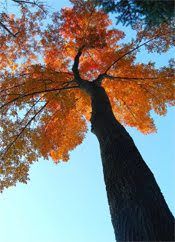
Both above and below ground, trees are essential to the eco-systems in which they reside. Far reaching roots hold soil in place and fight erosion. Trees absorb and store rainwater which reduce runoff and sediment deposit after storms. This helps the ground water supply recharge, prevents the transport of chemicals into streams and prevents flooding. Fallen leaves make excellent compost that enriches soil.
Many animals, including elephants, koalas and giraffes eat leaves for nourishment. Flowers are eaten by monkeys, and nectar is a favorite of birds, bats and many insects. Animals also eat much of the same fruit that we enjoy This process helps disperse seeds over great distances. Of course, hundreds of living creatures call trees their home.
Property Value & Economic Value—

Individual trees and shrubs have value and contribute to savings, but it is the collective influence of a well-maintained landscape that makes a real economic impact and has the greatest effect on property value. Direct economic benefits come from a savings in energy costs. Cooling costs are reduced in a tree-shaded home, and heating costs lowered when a tree serves as a windbreak.
Property values of homes with well-maintained landscapes are up to 20% higher than others. Here are some eye-opening facts and statistics regarding the effect of healthy trees and shrubs:
Some facts about trees—
1*Earth has more than 60,000 known tree species.

Until recently, there was no thorough global census of tree species. But in April 2017, the results of a “huge scientific effort” were published in the Journal of Sustainable Forestry, along with a searchable online archive called GlobalTreeSearch.
The scientists behind this effort compiled data from museums, botanical gardens, agricultural centers and other sources, and concluded there are 60,065 tree species currently known to science.
Next up for this area of research is the Global Tree Assessment, which aims to assess the conservation status of all of the world’s tree species by 2020.
2. More than half of all tree species exist only in a single country.–
Aside from quantifying the biodiversity of trees, the 2017 census also highlights the need for details about where and how those 60,065 different species live. Nearly 58 percent of all tree species are single-country endemics, the study found, meaning each one naturally occurs only within the borders of a single nation.
3.Most tree roots stay in the top 18 inches of soil, but they can also grow above ground or dive a few hundred feet deep.
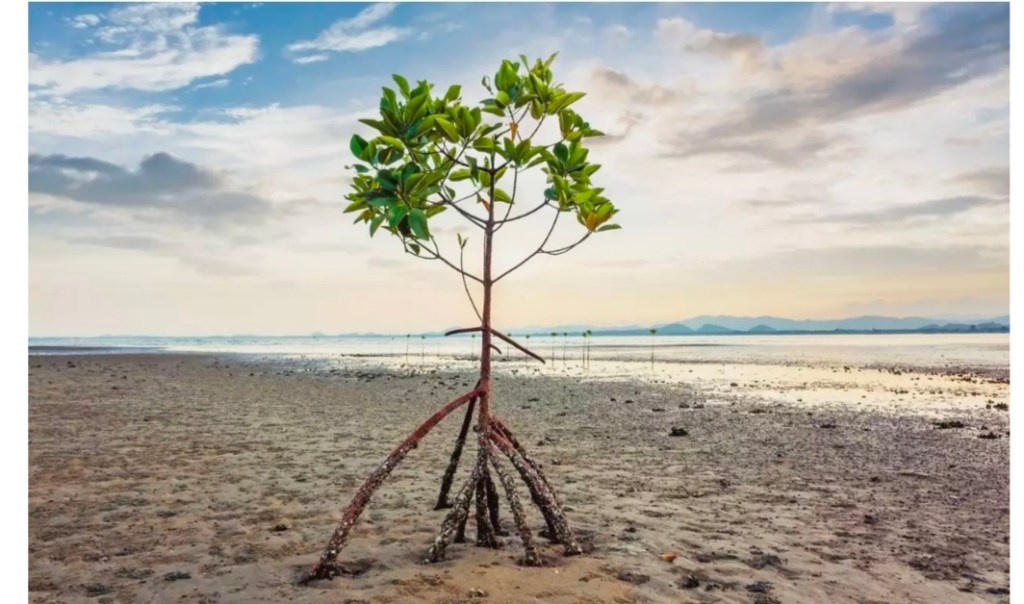
Holding up a tree is a tall order, but it’s often achieved by surprisingly shallow roots. Most trees don’t have a taproot, and most tree roots lie in the top 18 inches of soil, where growing conditions tend to be best. More than half of a tree’s roots usually grow in the top 6 inches of soil, but that lack of depth is offset by lateral growth: The root system of a mature oak, for example, can be hundreds of miles in length.
On the other hand, some trees do extend remarkably deep underground. Certain types are more prone to grow a taproot — including hickory, oak, pine and walnut — especially in sandy, well-drained soils. Trees have been known to go more than 20 feet (6 meters) below the surface under ideal conditions, and a wild fig at South Africa’s Echo Caves has reportedly reached a record root depth of 400 feet.
Thankyou 🤗🤗
 Site Title